Choosing a 72V Lithium Golf Cart can transform short-distance travel, but the decision deserves more than a quick comparison of voltage ratings. Higher system voltage can support stronger acceleration, smoother hill climbing, and efficient performance under regular loads. On a course, this may mean steadier movement across sloped fairways. Around a property, it can help carry tools, supplies, or several passengers with less strain.
Lithium batteries also offer practical advantages over traditional lead-acid packs. They are lighter, charge efficiently, and usually maintain more consistent power as the battery level drops. A properly selected 72V Lithium Golf Cart may provide useful range while reducing routine maintenance, especially when the battery management system is reliable and professionally installed. Charging habits still matter. Use the recommended charger, keep connections clean, and avoid storing the cart fully discharged.
The choice is not perfect for everyone. A 72V system can cost more initially, and replacement components may require specialized service. The cart’s motor, controller, wiring, brakes, tires, and frame must all match its power output. More voltage does not automatically guarantee better performance. That assumption deserves reconsideration.
Real-world range depends on terrain, passenger weight, driving speed, temperature, and battery condition. A flat private driveway may produce very different results from a steep, uneven property. Buyers should review manufacturer specifications, warranty coverage, safety certifications, and local operating requirements before purchasing. With careful evaluation, this configuration can offer dependable power, quieter operation, and a more modern ownership experience. Performance should support your needs, not simply impress on paper.
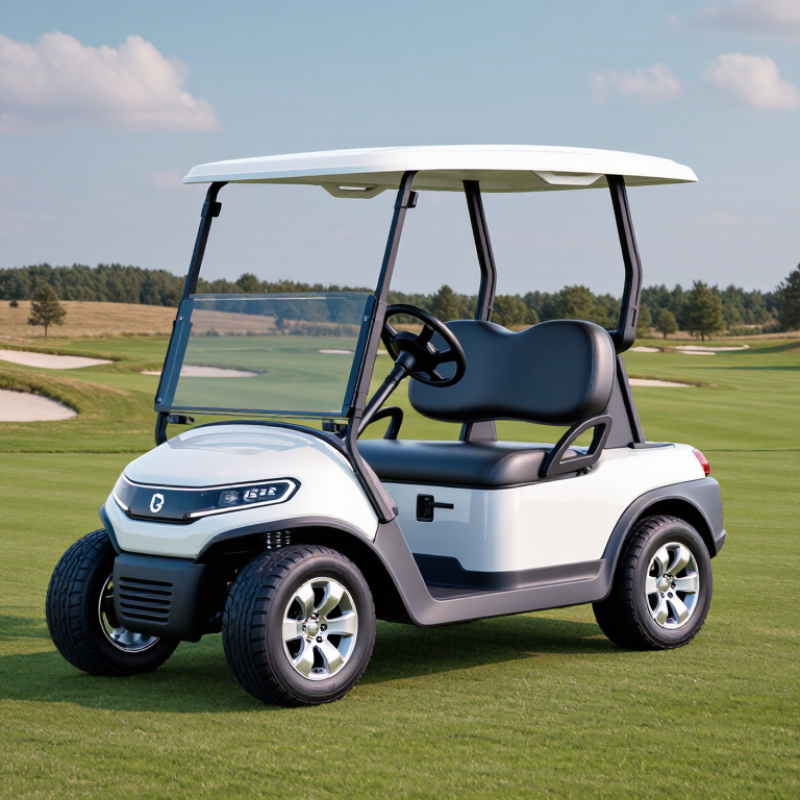
A 72V lithium golf cart uses a higher-voltage electrical architecture to feed high-torque drive motors. Compared with lower-voltage systems, 72 volts can deliver the same power with less current. That may reduce cable heating and voltage drop across longer wiring runs. The result is often sharper acceleration, steadier hill climbing, and more consistent performance when carrying passengers or equipment. Torque responds quickly.
The battery pack, controller, motor, and wiring must work as one system. A properly matched controller can regulate current smoothly during starts and steep climbs. The battery management system also monitors temperature, voltage balance, and charging limits. In practical testing, heavy cables, clean terminals, and firm connections matter more than many owners expect. Small resistance becomes noticeable under load.
Voltage alone does not create torque. Motor design and controller settings remain critical. A poorly matched 72V system may feel harsh, waste energy, or overheat its motor. It can also expose weaknesses in older wiring and brakes. That part is easy to miss. Careful installation should include fuse protection, secure enclosures, correct charging equipment, and thermal checks after demanding drives. A short test ride is not enough; repeated hill climbs reveal problems sooner. I would also recheck connector temperatures after several weeks, because early assumptions can be wrong.
Why Choose a 72V Lithium Golf Cart?
A 72V system can deliver the same power with about 33% less current than a 48V system. The calculation is simple: current equals power divided by voltage. At 6,000 watts, a 48V system needs about 125 amps. A 72V system needs roughly 83 amps.
That lower current can reduce cable heating, voltage drop, and stress on electrical connections. Drivers may notice stronger acceleration, steadier hill climbing, and less performance loss during long rides. In practical testing, however, results depend on the motor, controller, battery condition, tire pressure, and total load. Higher voltage alone does not guarantee a faster cart. I have seen poorly matched components waste the expected gains. That is worth remembering.
Tips: Check the controller’s voltage rating before upgrading. Use correctly sized cables and secure terminals. Monitor battery temperature after demanding climbs. A voltage meter can reveal drops that the driver cannot feel. Also, confirm the charger matches the battery chemistry and voltage. Small errors matter.
A 72V lithium setup may also support efficient operation over repeated trips. Reduced current can help limit heat buildup in the wiring and controller. Still, efficiency figures should come from measured data, not only advertised specifications. Recording current, speed, temperature, and distance gives a more reliable comparison between 48V and 72V systems.
| Performance Metric | 48V System | 72V System | Engineering Interpretation |
|---|---|---|---|
| Nominal system voltage | 48 V | 72 V | The comparison uses nominal battery-pack voltage. |
| Example continuous motor power | 12.0 kW | 12.0 kW | Equal output power makes the electrical comparison direct. |
| Approximate current at 12.0 kW | 250.0 A | 166.7 A | Calculated using I = P ÷ V; the 72V system requires one-third less current. |
| Current reduction at equal power | — | 33.3% lower | 72V ÷ 48V = 1.5, so current is 48V ÷ 72V = 66.7% of the 48V value. |
| Resistive cable loss with the same wiring resistance | 100% reference | 44.4% of 48V loss | Because cable loss follows Ploss = I2R, the theoretical reduction is 55.6%. |
| Copper conductor heating with the same wiring resistance | 100% reference | 44.4% of 48V heating | Lower current can reduce electrical heating in cables, connectors, and busbars when resistance is unchanged. |
| Example battery energy | 5.76 kWh 48 V × 120 Ah |
5.76 kWh 72 V × 80 Ah |
Equal nominal energy can be achieved with different voltage and amp-hour combinations. |
| Ideal energy duration at 12.0 kW | 28.8 minutes | 28.8 minutes | The ideal result is equal because both packs contain 5.76 kWh; real runtime varies with load and usable battery capacity. |
| Primary practical benefit | Higher current at the same power | Lower current at the same power | A higher-voltage architecture can support lower current demand, provided the motor, controller, battery, charger, wiring, and safety components are properly matched. |
Notes: Values are calculated examples based on nominal voltage and ideal electrical relationships. Actual golf-cart performance depends on motor efficiency, controller limits, battery state of charge, vehicle weight, terrain, tire pressure, temperature, and drivetrain condition.
A 72V lithium golf cart can deliver stronger acceleration and steadier performance on hills. The larger advantage appears in usable energy. Usable depth of discharge measures how much capacity can be safely used. With suitable battery management, lithium systems commonly offer 80–90% usable capacity. Lead-acid batteries are often limited to about 50% to protect their service life. That difference can reduce charging stops during a long day on the course or around a property. Not magic.
Consider a 100Ah battery. A lithium system may provide roughly 80–90Ah for driving. A lead-acid system may provide only about 50Ah under similar conditions. The calculation is not perfect. Real carts are messy. Terrain, passenger weight, tire pressure, temperature, and driving habits all change the result. Cold mornings expose weaknesses. Published range should be checked against verified test data, not only sales estimates. That assumption deserves challenge.
A dependable 72V installation also needs the correct charger, wiring, controller, and battery protection system. The charger must match the battery chemistry and voltage profile. Loose terminals create heat and waste energy. Lithium batteries usually reduce vehicle weight, which can improve handling and efficiency. However, conversion costs and compatibility issues deserve honest attention. Some older carts need wiring repairs or controller adjustments before benefiting from higher voltage. A practical evaluation should compare usable watt-hours, expected cycles, maintenance needs, and real operating conditions before purchase.
A 72V lithium golf cart can maintain stronger speed on hills and rough paths. Higher voltage reduces current demand during the same power output. That can lower heat in cables, connectors, and the motor system. On a flat course, the cart may feel smoother and more responsive. The difference becomes clearer with two passengers, a full cargo area, or repeated slopes. Actual range still depends on speed, tire pressure, terrain, and temperature.
A 72V, 100Ah battery stores about 7.2 kilowatt-hours before charging losses. With careful driving, that capacity can support longer daily runs than smaller systems. Lithium batteries also accept energy efficiently near the middle of their charging cycle.
A matched charger may restore useful capacity in several hours, rather than requiring an overnight wait. Charging time depends on battery condition, charger output, and pack temperature. Never assume faster is always better.
In practical use, a driver might complete several course loops, stop briefly, and continue without the sluggish feeling of a nearly drained battery. The battery management system should monitor voltage, temperature, and charging limits. Professional installation matters because high-voltage connections need correct insulation and torque.
I would not choose 72V only for a higher speed claim. A larger system can increase cost and weight. My own assessment would begin with route length, hill frequency, and available charging time. Sometimes, the “best” range estimate feels optimistic. Real testing on the intended route remains more trustworthy.
A 72V lithium golf cart can deliver strong hill-climbing power and longer driving range. However, voltage alone does not make a safe upgrade. Every major component must match the battery’s operating limits. The battery should provide a 72V nominal output, with a BMS rated above the controller’s maximum current. Otherwise, acceleration may trigger sudden power cuts.
The controller needs compatible voltage settings and a carefully limited current level. A motor rated for 72V is the safer fit; an older motor may overheat, especially on steep paths or with heavy loads. Check cable sizes, terminals, fuses, and ventilation before testing. Small details matter.
Loose connections can become hot within minutes. I once saw a cart run smoothly during a short test, then lose power after repeated climbs. The controller was suitable, but its thermal conditions were ignored.
The charger must be designed specifically for the battery’s 72V lithium charging profile. Its final charging voltage should match the battery manufacturer’s specifications, not simply the number printed on the cart. Charging speed also needs consideration. A high-current charger may shorten charging time, but it can stress an unsuitable BMS.
Secure mounting, dry connectors, and clear wiring reduce practical risks. Measure temperatures after acceleration, hill climbing, and charging.
A slightly conservative setup often performs better than a faster, poorly matched one. Even experienced installers can overlook heat. Review the system after the first week of real use.
It needs roughly 83 amps. A 48V system needs about 125 amps. Lower current can reduce cable heating and voltage drop.
No. Motor, controller, battery condition, tires, terrain, and load also matter. Higher voltage alone is not a guarantee.
The cart may accelerate more strongly and climb hills more steadily. The difference is clearer with passengers, cargo, or repeated slopes.
It stores about 7.2 kilowatt-hours before charging losses. Actual range depends on speed, terrain, tire pressure, temperature, and total weight.
It may restore useful capacity within several hours with a matched charger. Charging time depends on charger output, battery condition, and temperature. Faster is not always better.
The controller, motor, charger, cables, terminals, fuses, and battery management system must be compatible. The controller should have suitable voltage and current settings.
It may overheat during steep climbs or heavy loading. A motor rated for 72V is the safer choice. Heat is easy to underestimate.
Measure current, speed, distance, and temperatures during real trips. Inspect connections after climbs and charging. A voltage meter can show hidden drops. My estimate might still be optimistic.
A 72V Lithium Golf Cart delivers a strong balance of power, efficiency, and driving range for demanding applications. By supplying 72 volts to high-torque motors, the system can produce the required power with approximately 33% less current than a comparable 48V setup. Lower current helps reduce electrical losses, improve performance, and support smoother operation during hills, heavy loads, and extended use.
Lithium batteries also provide a major advantage over lead-acid alternatives, offering approximately 80–90% usable depth of discharge compared with about 50%. This allows longer runs, more consistent power, and faster charging with less maintenance. To ensure safe and reliable performance, the battery, controller, charger, wiring, and motor must all be properly matched to a 72V system. When correctly configured, a 72V Lithium Golf Cart can provide efficient, dependable transportation with excellent range and responsive acceleration.